

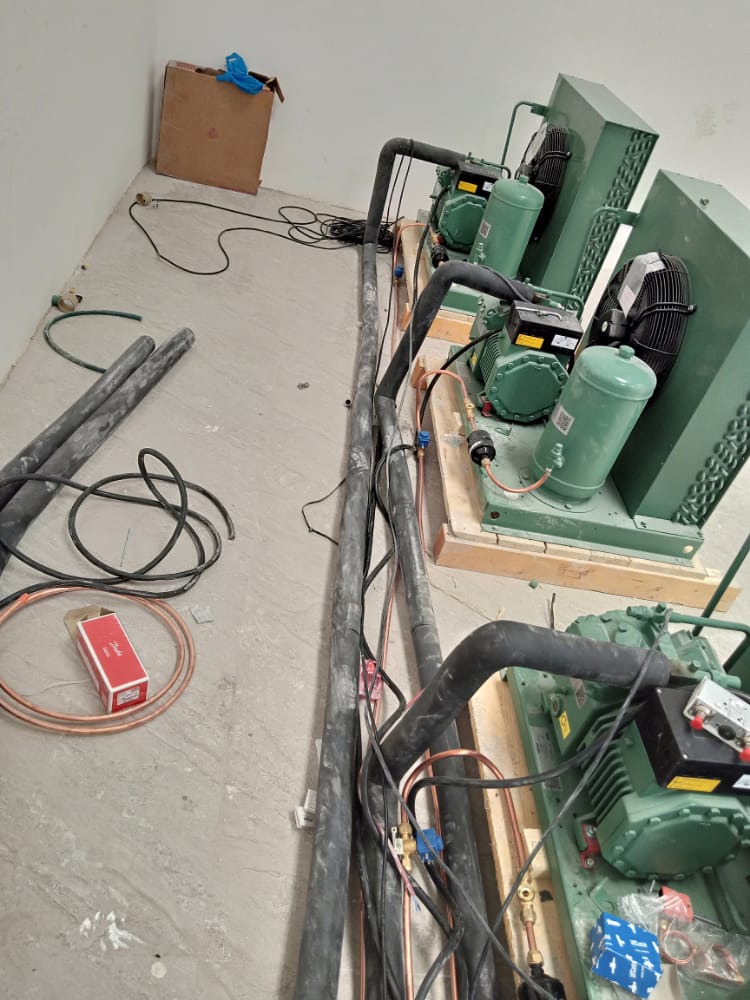
Common Cold room Problems and How To Solve Them
Common Cold Room problems and solutions.
Cold rooms are essential components in various industries, playing a crucial role in preserving the quality and extending the life of perishable goods. They are designed to maintain a consistent temperature, often below the freezing point, to store products such as food, pharmaceuticals, and chemicals that require specific climate conditions. This article focuses on Common Cold Room problems and solutions.
Core Elements of Cold Room Operations:
- Temperature Control: The primary function of a cold room is to maintain a specific temperature range to ensure the stored products remain fresh and viable for as long as necessary.
- Humidity Regulation: Alongside temperature, managing the humidity levels within a cold room is vital to prevent the spoilage or degradation of sensitive products.
- Air Circulation: Proper airflow is critical to distribute the cool air evenly throughout the space, avoiding hot spots that can lead to inconsistent preservation of goods.
The Top Common Faults in Cold Room Systems
Cold room systems, vital for preserving perishable goods, can fail due to a range of faults. Operators must understand common Cold Room problems and solutions to promptly address and prevent them.
- Inadequate Cooling: A primary issue, inadequate cooling can stem from low refrigerant levels, faulty compressors, or blocked air filters. These problems may result in higher than desired temperatures, risking product spoilage.
- Icing and Frost Accumulation: Excessive ice and frost buildup on evaporator coils can hinder the system’s performance. Causes include frequent door openings, poor door seals, or humidity entering the cold room.
- Electrical Failings: Faulty wiring or component failures can lead to electrical issues. These faults often cause intermittent operation or complete system shutdowns, requiring immediate attention to prevent inventory loss.
- Drainage Problems: Proper drainage is essential for removing condensate. Clogs or incorrect installation can lead to water buildup and potential slip hazards or structural damage.
- Thermostat Inaccuracies: A malfunctioning thermostat can result in erratic temperature control, which not only affects product integrity but also energy consumption as the system may overcompensate.
- Door Seal Deterioration: Perished or broken door seals lead to cold air escapement and the ingress of warm air, which strains the refrigeration system and increases energy costs.
- Motor and Fan Failures: Motors and fans are critical to maintaining air circulation. Failure of these components often culminates in poor cooling and temperature irregularities.
- Sensor Malfunctions: Sensors monitor and regulate the operation of cold rooms. Faulty sensors can relay incorrect information, triggering inappropriate reactions from the system.
Addressing these common faults promptly helps maintain the efficiency and longevity of cold room systems, underscoring the importance of regular maintenance and monitoring.
Identifying and Diagnosing Cold Room Temperature Irregularities
Maintaining a consistent temperature within a cold room is crucial for preserving the integrity of stored items. However, temperature irregularities can occur, prompting the need for a careful diagnostic approach. The following steps can assist in identifying and diagnosing temperature variations:
- Monitoring Temperature Readings: Install accurate, calibrated thermometers at various points in the cold room. Continuous monitoring can help identify patterns or fluctuations in temperature that might indicate a problem.
- Checking Door Seals and Insulation: Inspect the cold room for damaged door seals or compromised insulation. Defects in these areas could lead to external air leaks, causing temperature inconsistencies.
- Evaluating the Refrigeration System: The refrigeration system, including compressors, condensers, evaporators, and refrigerant levels, should be checked regularly for signs of malfunction or inefficiency, which could affect temperature control.
- Examining Air Circulation: Ensure that the cold room’s fans and air distribution systems are functioning properly, as poor circulation can create hot spots or areas with higher temperatures.
- Investigating Thermostat Accuracy: Calibrate thermostats to ensure they accurately reflect the cold room’s temperature and respond appropriately to changes.
- Assessing External Factors: Consider external influences, such as hot weather or nearby heat-producing equipment, which may affect the cold room’s temperature.
- Utilizing Data Loggers: Employ data loggers to record temperature over time. This helps in detecting trends or sudden changes that might not be immediately apparent.
When temperature irregularities are identified, it is crucial to address the underlying cause promptly. This might involve repairing or replacing faulty components, enhancing insulation, adjusting the thermostat settings, or consulting with a refrigeration specialist. Regular maintenance and vigilance can help minimize the risk of temperature-related issues in a cold room.
Signs of Compressor Failure and How to Address Them
The compressor is the heart of a cold room’s refrigeration system, and its failure can lead to significant issues. Identifying early signs of compressor trouble can help mitigate damage and extend the unit’s lifespan. Here are common indicators of potential compressor failure:
- Unusual Noises: A healthy compressor runs smoothly. If you hear rattling, knocking, or hissing sounds, this could signify mechanical problems or refrigerant leaks.
- Tripping Circuit Breaker: If the compressor is overloading the circuit, it can trip the breaker, suggesting electrical issues or a failing motor.
- High Energy Bills: An inefficient compressor may lead to a surge in power consumption, resulting in higher than normal energy bills.
To address these signs, follow these steps:
- Perform Regular Inspections: Routinely check for signs of wear, oil leaks, or corrosion.
- Check Refrigerant Levels: Low refrigerant levels can cause the compressor to overwork. Ensure it’s adequately charged.
- Test Electrical Components: Inspect capacitors, relays, and other electrical connections for signs of damage or wear.
- Listen for Noises: Use a stethoscope or similar device to pinpoint the source of any unusual sounds.
- Clean Coils and Filters: Restricted airflow due to dirty coils or filters can increase compressor strain.
- Seek Professional Help: If any signs of failure are evident, consult with a certified technician to diagnose and fix the problem.
Promptly addressing the signs of compressor failure helps prevent more severe issues, such as complete system breakdowns or costly replacements. Dedication to preventive maintenance and quick responses to the early symptoms can ensure the longevity and reliability of your cold room.
Troubleshooting Evaporator and Condenser-Related Failures
When addressing issues with evaporators and condensers in cold rooms, understanding their role is crucial. The evaporator absorbs heat from the cold room, while the condenser releases it outside the designated area.
- Evaporator Issues: Frost build-up on the evaporator coils can indicate insufficient airflow or a low refrigerant charge. Troubleshooting steps include:
- Checking for obstructions and ensuring that the fan motor is operational.
- Inspecting filters and, if necessary, cleaning or replacing them.
- Evaluating the refrigerant level and searching for leaks within the system.
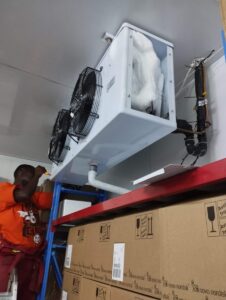
- Condenser Problems: Overheating and reduced efficiency can stem from issues with the condenser. Steps to resolve these include:
- Ensuring the condenser coils are clean, as dirt and debris can insulate them, leading to overheating.
- Verifying that the space around the condenser unit is clear to allow for proper air circulation.
- Check the condenser fan for functionality, as it helps in dissipating heat.

In situations where the cold room is not maintaining temperature, direct attention to both the evaporator and condenser functions. Inconsistent or higher temperatures can be symptomatic of broader system issues affecting both components.
Electrical checks are also essential as part of the troubleshooting process. Make sure that all electrical connections are secure and that the capacitors are functioning within their rated capacity. Voltage and current readings should align with the specifications for the cold room system.
When addressing evaporator and condenser failures, always consult the manufacturer’s guide or contact a certified refrigeration technician if the problem persists beyond basic troubleshooting. Remember that handling refrigerants and high-voltage components have associated risks and should only be performed by qualified individuals.
Recent Comments