

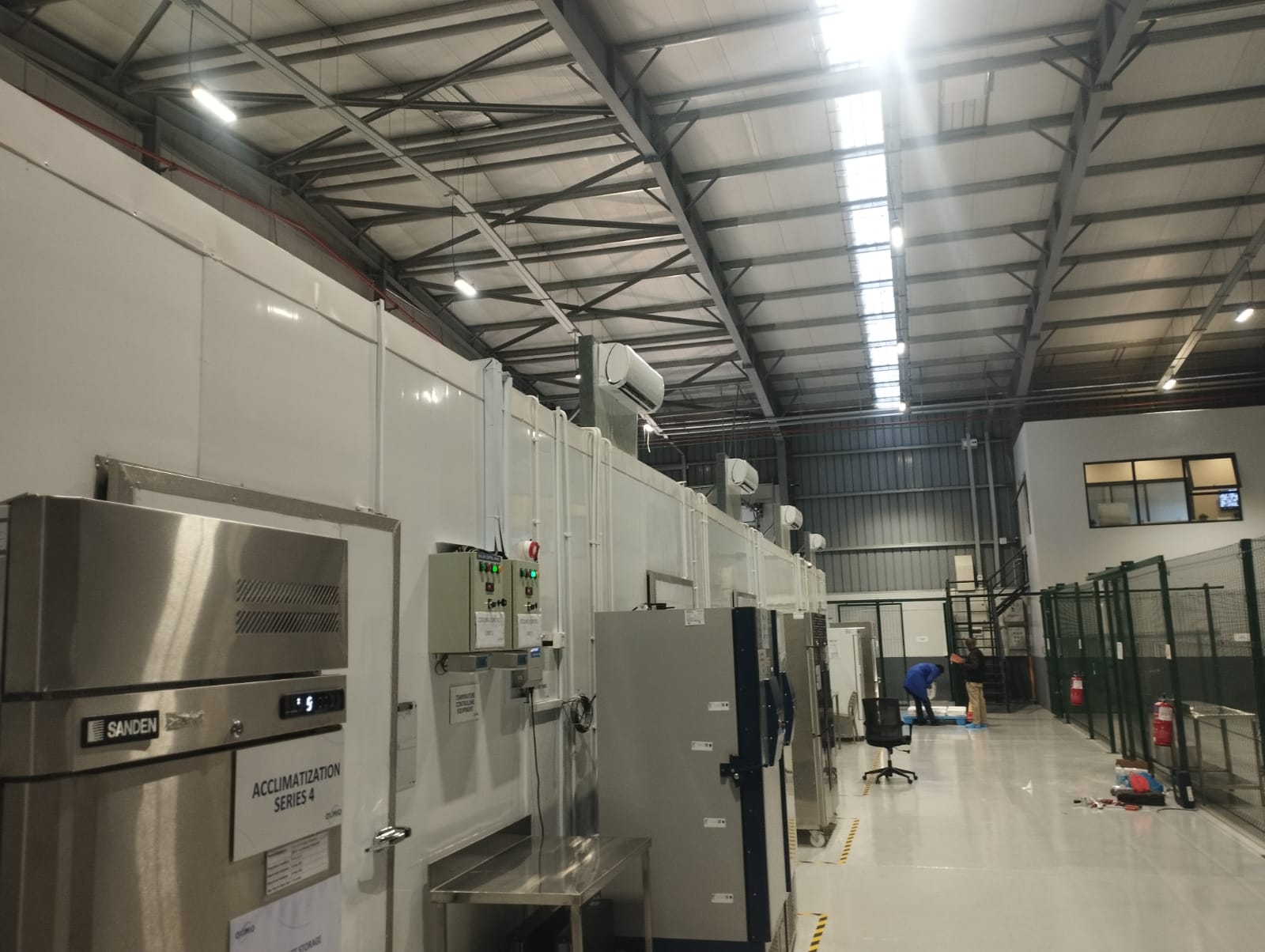
How to Choose a Cold Room?
How to Choose a Cold Room? Cold room size for your business means balancing your maximum inventory volume with room for airflow and future growth. A general rule of thumb is to calculate your peak product volume, then add 30% to 40%for circulation and access, and an extra 20 for future business expansion. The appeal of cold rooms makes them a highly attractive investment for operations requiring cold storage. Despite their many benefits, it’s crucial to choosing a Cold room that aligns with the specific requirements and applications of a business to avoid unnecessary waste and expense. Manufacturers provide criteria that customers can use to identify the appropriate type and nature of cold room they need. Purchasing a cold room marks the beginning of a long-term relationship between the manufacturer and the customer, where ongoing support, guidance, and advice are provided.
Stored Materials factor of choosing a Cold room
The quantity of products stored in a cold room directly impacts its temperature. Larger items and those requiring more space further influence the temperature. Selecting a cold room involves planning its placement and organizing the stored items. Shelving and racking systems are typically used for convenience and easy access.
Temperature as a factor of choosing a Cold room
Despite the variety of cold rooms available, it’s essential to determine the precise temperature requirements for the items to be stored. Fragile and delicate items necessitate a more controlled environment compared to sensitive equipment or more robust items.
The ambient temperature surrounding the cold room must also be considered, as it affects the cold room’s operation. This factor is important when establishing the cold room’s placement.
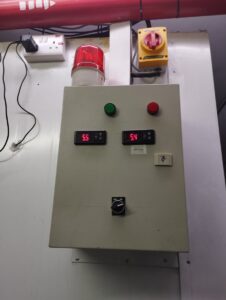
Power Supply
Industrial cold storage typically requires 380V or three-phase electricity. It is important to position the cold room close to the electrical supply to prevent draining power from other equipment. A constant, uninterrupted power supply is essential for optimal performance.
Ventilation
Like all storage solutions, cold rooms need adequate ventilation to facilitate air circulation and remove any odors from long-stored products. Effective ventilation helps maintain consistent temperatures and preserves the quality of stored items.
Available Space
During the initial phase of purchasing a cold room, customers typically assess the size of the space intended for its installation. Manufacturers assist by offering options that align with the available space.
Maintenance
Regardless of a cold room’s quality and specifications, regular maintenance and cleaning are essential for optimal performance. Cold rooms are complex industrial systems that require the same level of care as other equipment. A monthly maintenance log should be kept to track cleaning and performance monitoring.
Other Factors to consider when choosing a cold room
1. Calculate Your Storage Volume
- As a general guide, cubic meter of cold room space holds roughly 200 kg to 350 kg of product, depending heavily on packaging and stacking methods.
- Small Rooms (10–30 cubic meter): Ideal for small restaurants, cafes, or laboratory use.
- Medium Rooms (30–200 cubic meter): Best for supermarkets, mid-sized food processors, and local distributors
2. Allow Space for Airflow and Operations
3. Factor in Future Growth
5. Consider Door Traffic
6. Available Space and Power Supply
- Physical Footprint: Assess the physical floor space you have available and ensure it accommodates the height required for your racking.
- Power: Industrial cold rooms usually require 380V or three-phase power. Confirm your site’s electrical capacity before deciding on a size
Recent Comments