

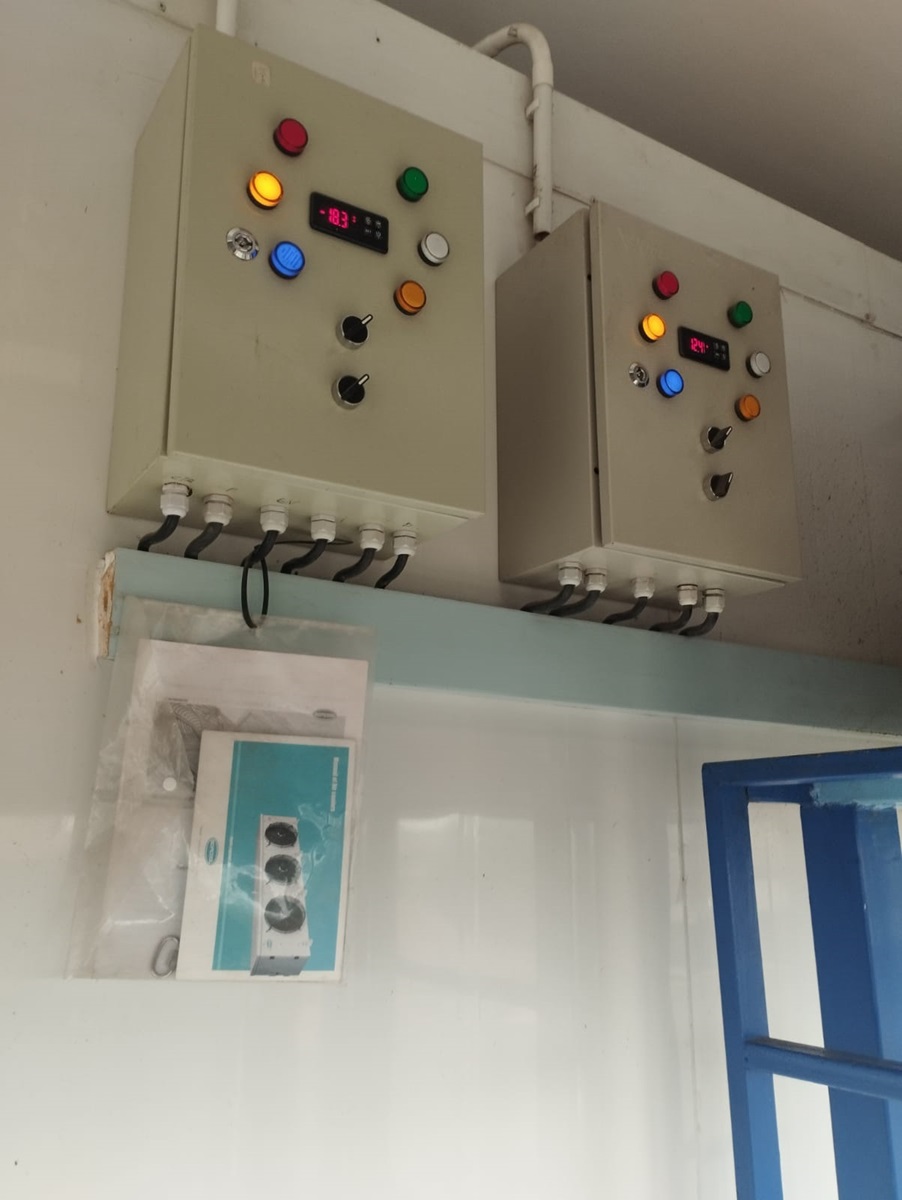
What is the ideal temperature of cold rooms?
Introduction to ideal temperature of cold rooms.
In the realm of cold storage, maintaining the perfect temperature is not just about keeping things cool-it’s about
preserving freshness, ensuring quality, and ultimately, safeguarding profits. Whether it’s fruits, vegetables, dairy, or
meats, each perishable item has its own temperature needs to maintain peak freshness. Let’s delve into the world of
cold room temperature management and explore how businesses can optimize conditions to keep their products crisp,
flavorful, and market-ready.
Understanding the Significance of Temperature Control
The cornerstone of any successful cold storage operation lies in its ability to maintain precise temperature control. Even
a slight deviation from the ideal temperature range can spell disaster for perishable goods. From bacterial growth to
accelerated spoilage, the consequences of inadequate temperature control can be costly, both in terms of product loss
and reputation damage.
Factors Influencing Ideal Temperature Settings
Several factors come into play when determining the ideal temperature for cold rooms. The type of products being
stored, external climate conditions, humidity levels, and storage duration are all critical considerations. For example,
while fruits and vegetables thrive in slightly different temperature ranges, dairy products and meats require even stricter
temperature controls to prevent bacterial growth and maintain quality.
Optimal Temperature Range for Various Products
Fruits and Vegetables: Typically, fruits and vegetables fare best when stored between 32°F to 55°F (0C to 13C).
However, certain varieties may have specific temperature preferences. For instance, leafy greens prefer slightly cooler
temperatures, while tropical fruits like bananas and mangoes require slightly warmer conditions.
Dairy Products: Dairy items such as milk, cheese, and yogurt should be stored at temperatures ranging from 34°F to
40°F (1C to 4C) to ensure freshness and prevent spoilage.
Meats: Fresh meats, including beef, poultry, and pork, require temperatures below 40°F (4C) to inhibit bacterial growth
and maintain quality. Freezing meats below 0°F (-18C) is essential for long-term storage.
Importance of Consistent Monitoring and Regulation
Maintaining the ideal temperature in cold rooms isn’t a one-time affair-it’s an ongoing commitment. Regular monitoring
and precise regulation are paramount to prevent fluctuations that could compromise product quality. Investing in
temperature monitoring systems equipped with alarms can provide early warnings of any deviations, allowing for prompt
corrective action.
Implementing Effective Temperature Management Systems
To streamline temperature management processes and enhance efficiency, businesses can leverage advanced
technologies such as automated controls and temperature sensors. These systems not only ensure precise temperature
regulation but also offer real-time monitoring capabilities, empowering operators to make informed decisions and
mitigate risks effectively.
Temp Controllers
Addressing Common Challenges in Temperature Control
Despite advancements in technology, cold room operators often encounter common challenges that can affect
temperature stability. These challenges include:
Insufficient Insulation: Poor insulation can lead to temperature fluctuations, especially in regions with extreme climates.
Investing in high-quality insulation materials can help maintain stable temperatures and reduce energy consumption.
Equipment Malfunctions: Mechanical failures or sensor inaccuracies in refrigeration equipment can disrupt temperature
control. Regular maintenance and calibration are essential to ensure equipment reliability and accuracy.
Equipment Malfunctions: Mechanical failures or sensor inaccuracies in refrigeration equipment can disrupt temperature
control. Regular maintenance and calibration are essential to ensure equipment reliability and accuracy.
Human Error: Improper loading of goods, leaving doors open for extended periods, or manually adjusting temperature
settings without proper authorization can all contribute to temperature instability. Training staff on proper cold room
protocols and implementing access controls can help minimize human error.
Power Outages: Power outages are a significant concern for cold room operators, as they can quickly lead to
temperature fluctuations and product loss. Backup power solutions, such as generators or battery backups, are crucial
for maintaining temperature continuity during outages.
By proactively addressing these challenges and implementing effective mitigation strategies, cold room operators can
minimize temperature fluctuations and ensure consistent product quality.
Ensuring Food Safety Compliance and Quality Standards
In the food industry, compliance with food safety regulations and quality standards is non-negotiable. Cold room
operators must adhere to stringent guidelines to safeguard consumer health and uphold industry reputation. Key
considerations include:
FAQS
How often should cold room temperatures be monitored?
Cold room temperatures should be monitored continuously, with automated systems providing real-time alerts for any
deviations outside the preset range. Additionally, manual temperature checks should be conducted regularly as part of
routine maintenance protocols.
Can cold room temperatures be adjusted based on seasonal variations?
Yes, cold room temperatures may need to be adjusted periodically to compensate for seasonal changes in ambient
temperature and humidity levels. It’s essential to recalibrate temperature settings to ensure optimal conditions for
perishable goods year-round.
What are the consequences of inadequate temperature control in cold rooms?
Inadequate temperature control can lead to several adverse consequences, including accelerated spoilage, bacterial
growth, loss of product quality, and potential health risks to consumers. It can also result in regulatory non-compliance
and financial losses for businesses.
Recent Comments