

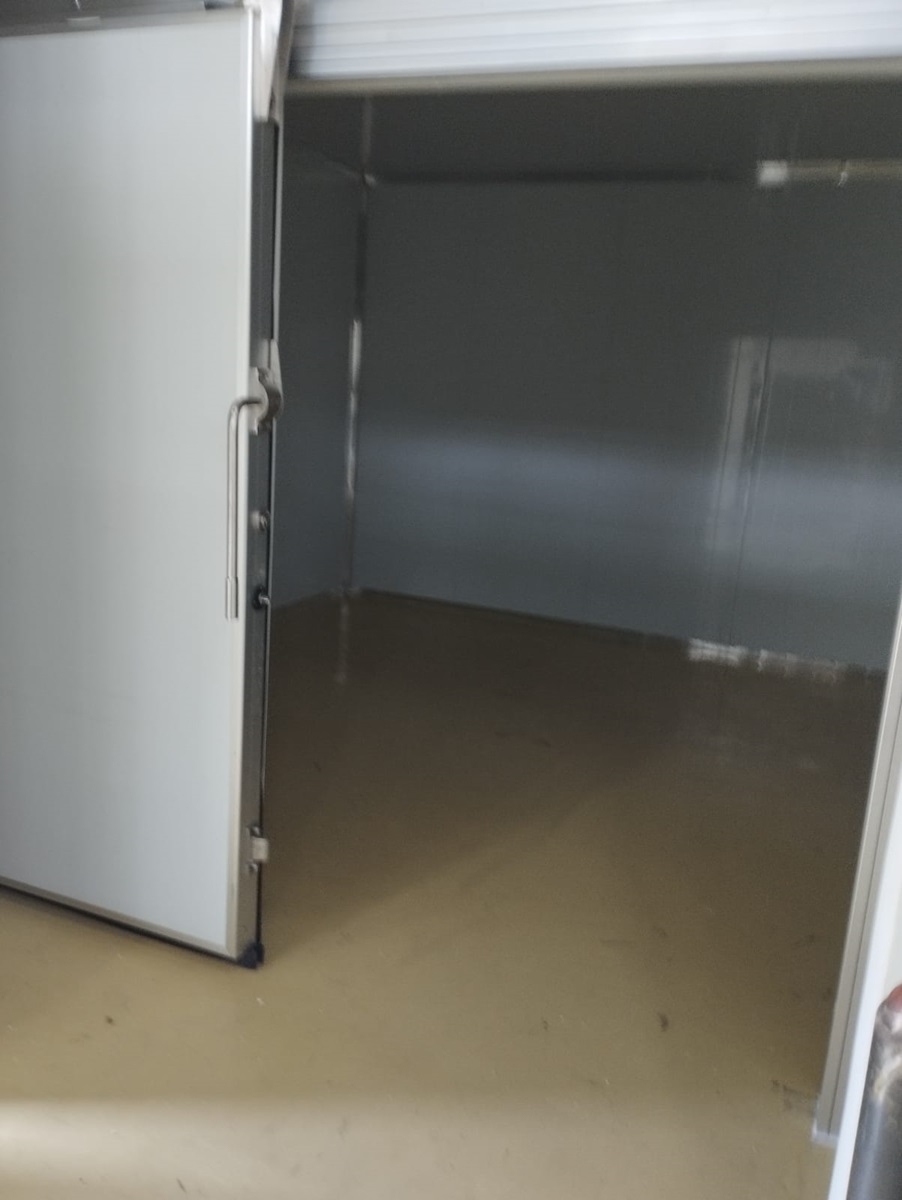
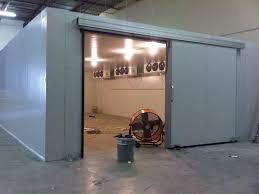
Cold Room installation in Nairobi – Kenya, for Meat Storage.
At Cold Room Installation Kenya, we install customized cold rooms in Kenya, supply cold room equipment maintain cold rooms, and renovate existing cold rooms to contemporary standards. The elements involved in the construction of customized cold rooms include a structural support system that includes internal and external steelwork. Cold Room Installation in Nairobi-Kenya a complete-guide will give you all the insights that you need.
Cold room installation is categorized into two parts: the insulation part and refrigerator part. Listed below are the installation instructions for an effective quality cold room installation,
Cold rooms are important for storing perishable items like food, medicine, and chemicals at specific temperatures. Installing a cold room requires proper planning and expertise. In this article, we will discuss the steps involved in cold room installation.
Cold Room installation in Nairobi for Meat storage.
A cold room installation for meat storage requires insulated panels (100–150 mm thick), airtight cam-lock seals and a reliable refrigeration unit capable of holding temperatures between -5 degrees and +5 degrees for chilling, or -18 degrees for freezing. Proper setup is critical for preventing bacterial growth and spoilage. Follow these core steps for a secure build.
1. Site Preparation
- Level Foundation: The floor must be completely flat and level to ensure panels fit tightly together and support heavy meat loads.
- Drainage: Install a floor drain connected to a grease trap to easily clean away washdown water and fluids.
- Ventilation: Allow space around the exterior of the unit for the condenser to properly dissipate heat.
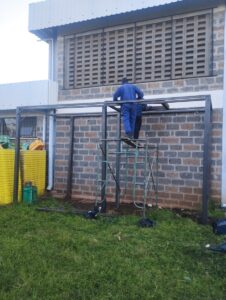 2. Panel and Door Assembly
- Insulation Core: Use Polyurethane (PU) or PIR foam panels. Chillers typically require 75–100 mm panels, while freezers require 120–150 mm thick panels.
- Cam-Lock Walls: Start from the corners and lock the tongue-and-groove or cam-lock wall panels into place.
- Sealing: Apply silicone sealant to all joints and floor-to-wall gaps before securing interior angle aluminum brackets to prevent air leaks and “cold bridges”.
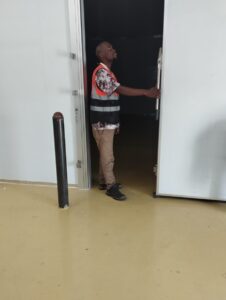
- Airtight Doors: Install the door frame squarely within the wall opening. Ensure heavy-duty gaskets seal tightly, and equip the door with an internal safety release handle. For freezer doors, verify that the heated door frame is wired to prevent freezing shut.
3. Refrigeration System Installation
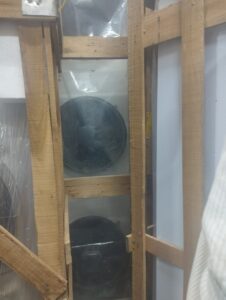
- Evaporator Placement: Mount the evaporator internally on the ceiling or high on the wall, ensuring it has clearance for optimal air circulation.
- Condensing Unit: Position the compressor outdoors or in a highly ventilated area.
- Piping and Drainage: Connect the indoor and outdoor units using properly sized, insulated copper refrigerant lines. Install a U-trap in the condensate drain line so water can escape without letting warm air into the room.
4. Meat Storage Standards
- Chilled Meat: Maintain a room temperature between -1 degrees and +1 degrees. The meat should be cooled to about -4 degrees to form a protective surface film that slows water loss and bacterial growth.
- Frozen Meat: Set the room to deep freeze standards at approximately -18 degrees to -24degrees.
- Airflow: Do not pack meat too tightly. Leave space between carcasses or storage racks so cold air can circulate freely, preventing warm spots.
Recent Comments