

Pharmaceutical Cold Storage Requirements – Nairobi

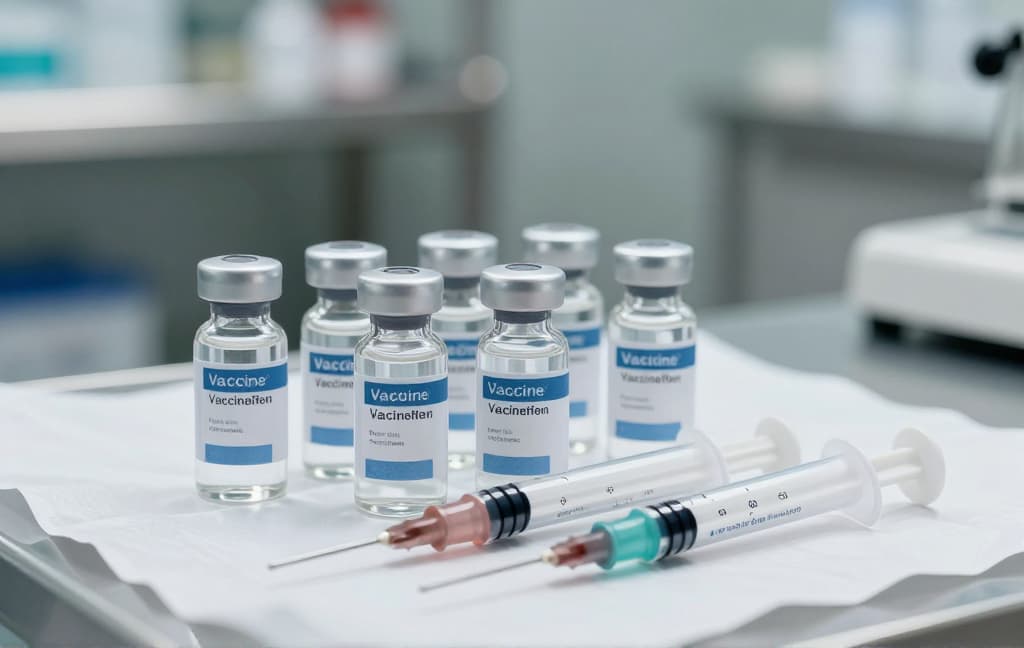
Lets talk about Pharmaceutical Cold Storage Requirements – Nairobi. Selecting the right refrigeration infrastructure is not merely a technical decision but a matter of safeguarding product quality and patient safety. Therefore, when evaluating pharmaceutical cold storage requirements, organizations must consider how reliable equipment design, accessible maintenance support, and consistent temperature control contribute to secure long-term preservation and distribution. From vaccine warehouses to hospital pharmacies, cold storage plays a decisive role in preserving therapeutic effectiveness across every stage of the product lifecycle.
Types of pharmaceutical cold storage
Pharmaceutical cold storage can be categorized based on the temperature requirements of different products:
- Refrigerated Storage (2°C to 8°C): Ideal for insulin, and certain biologics.
- Frozen Storage (-20°C to -40°C): Used for products that require a stable, frozen environment, such as certain drugs and biologics.
- Ultra-low Temperature Storage (-70°C to -80°C): Necessary for specific biologics and mRNA vaccines, like the COVID-19 vaccines.
- Cryogenic Storage (-150°C and below): Used for preserving biological samples, stem cells, and certain gene therapies.
Each type of storage demands specialized equipment and stringent monitoring to ensure the integrity of the products.
Why Storage Reliability Matters in Pharmaceutical Operations
Temperature-sensitive medicines require controlled environments to maintain their intended stability. International regulatory guidance emphasizes that storage conditions must be consistently maintained and monitored, particularly for biologics and vaccines that can degrade when exposed to unsuitable temperatures. Consequently, storage reliability is closely linked to both regulatory compliance and public health protection.
Moreover, even minor deviations can compromise product quality. This is why pharmaceutical temperature-controlled facilities are designed with redundancy, validated processes, and clear monitoring procedures. By prioritizing stability from the outset, organizations reduce the risk of disruptions that could otherwise affect patient treatment outcomes.
Defining Temperature Requirements across Product Types
Pharmaceutical storage is not uniform; instead, it varies according to the needs of specific therapies. Understanding these requirements is essential when choosing appropriate infrastructure.
Common Storage Temperature Categories
- Refrigerated conditions: Typically used for insulin, certain vaccines, and selected biologics requiring stable chilled environments.
- Frozen storage: Necessary for products that demand consistently low temperatures to preserve chemical and physical stability.
- Ultra-low temperature storage: Required for advanced therapies and some mRNA-based formulations that depend on tightly controlled freezing conditions.
- Cryogenic preservation: Applied to biological samples and emerging therapies where extremely low temperatures are critical for long-term viability.
These distinctions highlight why storage design must be aligned with product portfolios rather than adopting a one-size-fits-all approach.
Monitoring and Environmental Control as Core Requirements
Temperature stability cannot be assumed simply because refrigeration equipment is operating. Continuous monitoring systems assure that storage conditions remain within validated limits. According to international cold-chain guidance, alarm mechanisms and calibrated sensors are fundamental components of controlled-temperature environments.
Essential Monitoring Features
- Continuous temperature tracking: Enables early detection of excursions and supports compliance documentation.
- Automated alert systems: Provide rapid notification when conditions move outside acceptable ranges.
- Environmental data logging: Facilitates analysis of trends and supports investigation of potential deviations.
- Validation and mapping processes: Confirm that storage environments maintain uniform conditions throughout operational use.
By integrating these measures into facility design, organizations strengthen both operational resilience and regulatory readiness.
Equipment Selection and Infrastructure Considerations
Selecting suitable preservation equipment involves balancing performance, efficiency, and maintainability. Pharmaceutical facilities typically rely on purpose-built refrigeration units capable of sustaining precise temperature ranges while minimizing energy consumption and operational risk.
In addition, infrastructure planning should account for facility layout, access control, and integration with inventory systems. Storage equipment must function as part of a coordinated ecosystem rather than in isolation. This systems-based approach supports smoother operations and helps ensure that temperature-sensitive products are protected throughout handling and storage.
Key Infrastructure Factors to Evaluate
- Temperature uniformity: Ensures consistent product conditions across storage zones.
- Redundancy and backup systems: Provide resilience in case of equipment failure or power disruption.
- Energy efficiency measures: Support sustainability objectives without compromising performance.
- Maintenance accessibility: Facilitates routine servicing and minimizes operational downtime.
Taken together, these considerations influence not only equipment performance but also long-term facility reliability.
Compliance, Security and Inventory Management
Regulatory expectations shape nearly every aspect of pharmaceutical storage. Facilities must demonstrate that storage conditions are validated, monitored, and documented in accordance with recognized standards. At the same time, security controls are necessary to protect products from tampering or unauthorized access.
Inventory management also plays a critical role. Effective tracking systems help prevent product expiration, reduce waste, and support traceability requirements. When combined with robust monitoring practices, these measures contribute to a comprehensive risk-management framework that strengthens operational continuity.
Emerging Trends in Pharmaceutical Cold Storage
Technological innovation continues to reshape how pharmaceutical storage is designed and managed. Digital monitoring platforms, predictive maintenance tools, and automation are increasingly being adopted to enhance reliability and reduce manual intervention.
Smart cold rooms, for example, integrate advanced sensors and analytics to provide real-time insights into storage performance. Such systems can help identify potential equipment issues before they disrupt operations, enabling more proactive maintenance strategies. Additionally, improvements in refrigeration efficiency are supporting broader sustainability initiatives within the pharmaceutical sector.
Conclusion
Pharmaceutical cold storage plays a critical role in safeguarding the quality, safety and effectiveness of temperature-sensitive medicines, vaccines, biologics and laboratory products. Maintaining precise temperature conditions throughout storage and distribution is essential to preserving product integrity and ensuring compliance with pharmaceutical industry regulations.
As the healthcare sector continues to advance, modern cold storage solutions are becoming increasingly sophisticated, incorporating intelligent monitoring systems, automated temperature controls, and enhanced energy efficiency. These innovations help healthcare providers, pharmaceutical distributors, hospitals, and laboratories maintain reliable cold chain operations while meeting stringent regulatory requirements.
At Cold Room Installation Kenya, we specialize in the design, installation, maintenance, and validation of pharmaceutical cold rooms that meet industry standards for temperature control, monitoring, and compliance. Our solutions are tailored to the unique requirements of pharmaceutical facilities, ensuring reliable storage conditions that protect valuable medical products and support public health outcomes across Kenya.
Whether for pharmacies, hospitals, morgues, research laboratories, or pharmaceutical distribution centers, investing in a professionally designed cold room is essential for maintaining product quality, regulatory compliance and operational excellence.
Recent Comments