

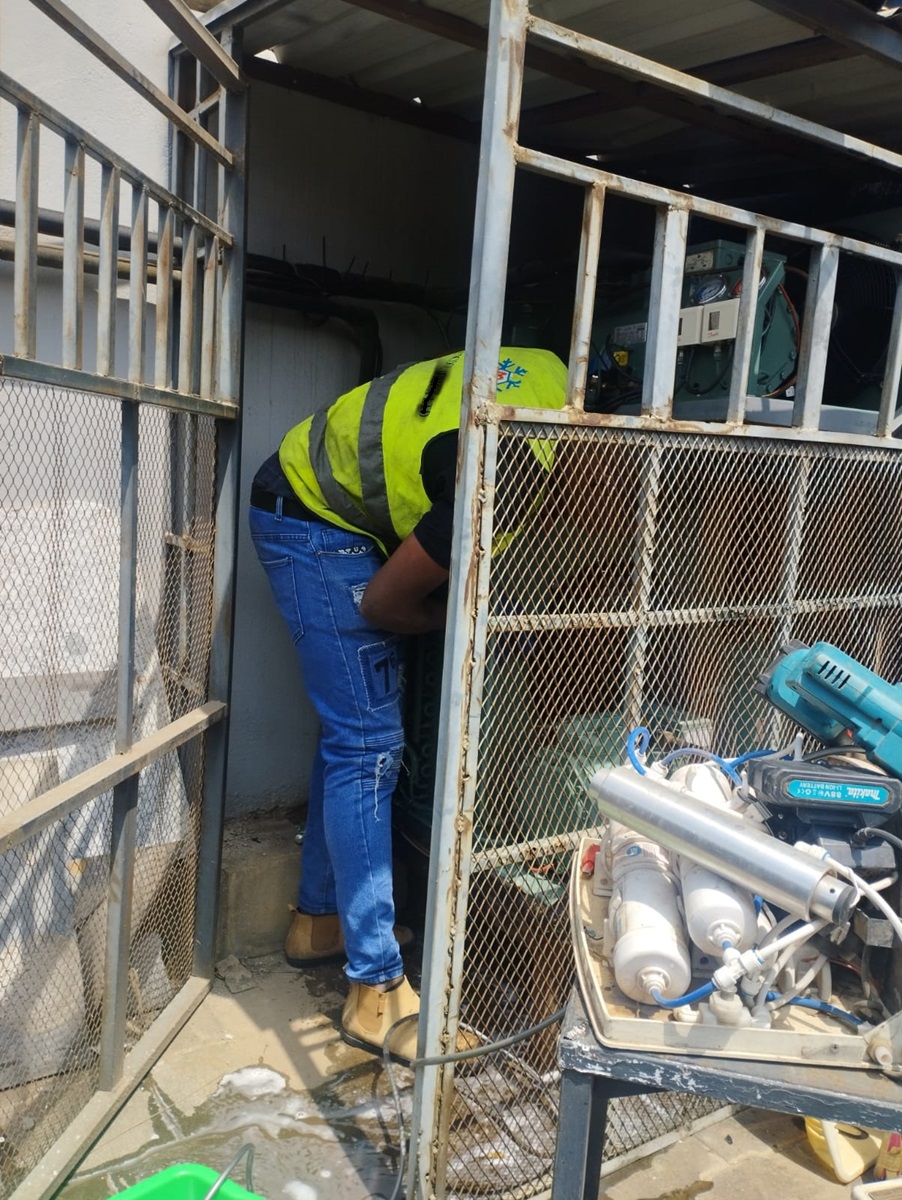
Commercial Cold Room Maintenance
Commercial Cold Room Maintenance | Cleaning Tips -Cold Room Installation Kenya
Cold room facilities are critical infrastructures for industries such as food processing, logistics, agriculture, seafood, dairy, and pharmaceuticals. Commercial Cold Room Maintenance in Kenya. Businesses rely on these facilities to maintain product quality, safety, and regulatory compliance. However, one of the most frequently asked questions by facility owners and managers is: “How often does a cold storage facility need maintenance?”
The answer depends on several factors including system design, equipment type, operational load, and environmental conditions. Regular maintenance is essential not only to ensure energy efficiency but also to prevent product loss, system failure, and costly downtime.
In this comprehensive guide, we will explain how frequently maintenance should be performed, what components require inspection, and how companies like Cold Room Installation Kenya help businesses maintain highly efficient cold storage infrastructures.
Why Regular Cold Storage Maintenance Is Essential.
Before discussing the exact schedule, it’s important to understand why cold storage maintenance is so critical.
Cold storage facilities operate 24 hours a day, 365 days a year, meaning their refrigeration equipment works continuously under heavy load. Without proper servicing, several issues may occur:
- Temperature fluctuations
- Increased energy consumption
- Product spoilage
- Refrigerant leaks
- Compressor failure
- Ice buildup in evaporators
- System shutdowns
Routine servicing ensures the long-term reliability of components such as:
- Cold Room Panels
- Cold Room Doors
- Split Cooling Systems
- Central Cooling Systems
- Natural Refrigerant Cooling Systems
- Ultrasonic Humidification Systems
- Cold Room Shelving Systems
These systems work together to maintain stable storage environments for products such as seafood, dairy, frozen foods, fruits, and meat.
How Often Does a Cold Storage Facility Need Maintenance?
The short answer: maintenance should be performed daily, monthly, quarterly, and annually depending on the system components.
Below is the recommended schedule used by professional refrigeration engineers.
-
Daily Maintenance Checks
Daily inspections are simple visual checks performed by facility staff to ensure that the refrigeration system operates normally.
Typical daily tasks include:
- Monitoring temperature readings
- Checking humidity levels
- Inspecting door seals
- Listening for unusual compressor noises
- Ensuring evaporators are free of excessive frost
- Verifying alarm systems
Facilities storing high-value products like seafood, dairy, or meat must monitor these indicators continuously.
For example, industries such as:
- Seafood Processing and Storage Facilities
- Milk and Dairy Products Storage Warehouses
- Meat and Meat Products Processing and Storage Facilities
cannot tolerate temperature deviations because product spoilage can occur quickly.
Daily monitoring helps detect problems before they turn into system failures.
-
Weekly Maintenance Tasks
Weekly inspections go deeper than daily checks and typically involve minor operational maintenance.
These include:
- Cleaning condenser coils
- Checking drainage lines
- Inspecting fans and motors
- Verifying defrost cycles
- Checking refrigerant pressure
Cold storage facilities that store agricultural products such as potatoes or onions also need ventilation checks.
This is particularly important in:
- Potato & Onion Ventilation and Cooling Systems
- Fresh Fruit Processing and Storage Facilities
Proper airflow prevents mold formation and product deterioration.
-
Monthly Preventive Maintenance
Monthly maintenance should be performed by trained technicians or refrigeration specialists.
These inspections include:
- Refrigerant level checks
- Compressor performance analysis
- Inspection of Cold Room Doors and sealing systems
- Electrical system testing
- Calibration of temperature sensors
- Inspection of Ultrasonic Humidification Systems
Humidity control is extremely important in facilities such as:
- Fruit Ripening Chambers
- Fresh Fruit Storage Warehouses
Improper humidity can lead to dehydration or spoilage of produce.
Monthly maintenance ensures these environmental conditions remain stable and optimized.
- Quarterly Maintenance
Every three months, a more detailed inspection is required.
Technicians should check:
- Compressor oil levels
- Evaporator efficiency
- Condenser performance
- Defrost system calibration
- Structural integrity of Cold Room Panels
Over time, small gaps in insulation panels can cause major energy losses.
Professional technicians often use thermal imaging technology to detect insulation leaks and cold bridges.
Quarterly maintenance is also essential for large-scale installations such as:
- Cold Storage Warehouses for Logistics
- Controlled Atmosphere Cold Storage Warehouses
These facilities rely on precise atmospheric control to maintain product quality.
-
Annual Full-System Maintenance
At least once per year, a cold storage facility should undergo a complete system overhaul.
This includes:
- Deep cleaning of condensers and evaporators
- Full refrigerant leak testing
- Compressor servicing
- Electrical panel inspection
- Calibration of monitoring systems
- Structural inspection of doors, shelving, and insulation panels
During annual servicing, technicians may also evaluate the overall energy efficiency of the system.
1. Inspect The Refrigeration System
refrigeration system is an essential part of any cold storage system. Therefore, it should be constantly monitored to ensure it’s running smoothly. The following are the essential components to inspect:
- Check the effectiveness of your refrigerator sensor: You can use a different professional thermometer to measure the accuracy of the refrigerator sensor. If you measure the coldness of the refrigerator and there’s a discrepancy between the temperature levels of the two devices, it means the refrigerator sensor needs to be fixed. Therefore, it’s necessary to calibrate or replace it.
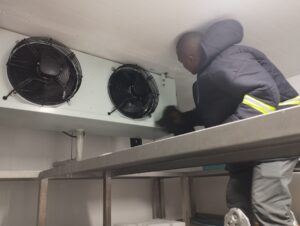
- Inspect your compressor: Some aspects to check include the noise created, electricity consumed, and the cold produced. An unhealthy compressor makes too much noise and overheats. In that case, you should fix the problem right away. Alternatively, you can contact your cold store for a replacement if your refrigeration equipment has a warranty.
- Check the evaporator’s health daily: The evaporator is situated inside a cold storage facility. It absorbs heat from the stored products. You should inspect it daily, primarily focusing on the air temperature, the sound produced, water or oil leakage, and mold growth
If it’s loud or makes an unusual noise, produces hot air, and there’s water or oil leakage, you should repair it as soon as possible. However, if it’s extremely faulty, you should consider getting a replacement.
- Do a condenser quality check: The condenser is the outdoor portion of the refrigeration system, and its primary task is to cool down the refrigerant fluid. The condenser is healthy if the pipes leading to the refrigerant outlet are cooler. If they’re hot, it indicates the equipment isn’t working correctly and should be repaired.
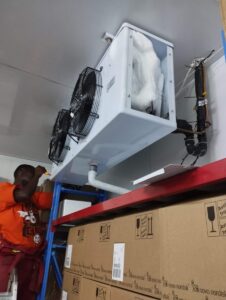
Notably, you should perform a monthly functionality test of the overall cold room refrigeration system and fix any malfunctions. And while doing the repairs, working with a professional contractor with advanced knowledge about how cold storage facilities work is vital.
2. Check All Electrical Connections
Inspecting all electrical connections in your cold storage facility is essential to ensure the proper flow of current. If some parts of the cold storage system don’t receive electricity, you can contact an electrician to find and repair the fault. Also, there are instances where the fuses may fail. In that case, you should ask the electrician to replace the fuse.
3. Keep The Facility Clean
You should regularly clean your cold storage facility using the appropriate cold room cleaning products. This prevents the growth of microorganisms, such as bacteria or mold, that may contaminate the stored items. Here are other ways to keep your cold storage facility mold-free:
Recent Comments