

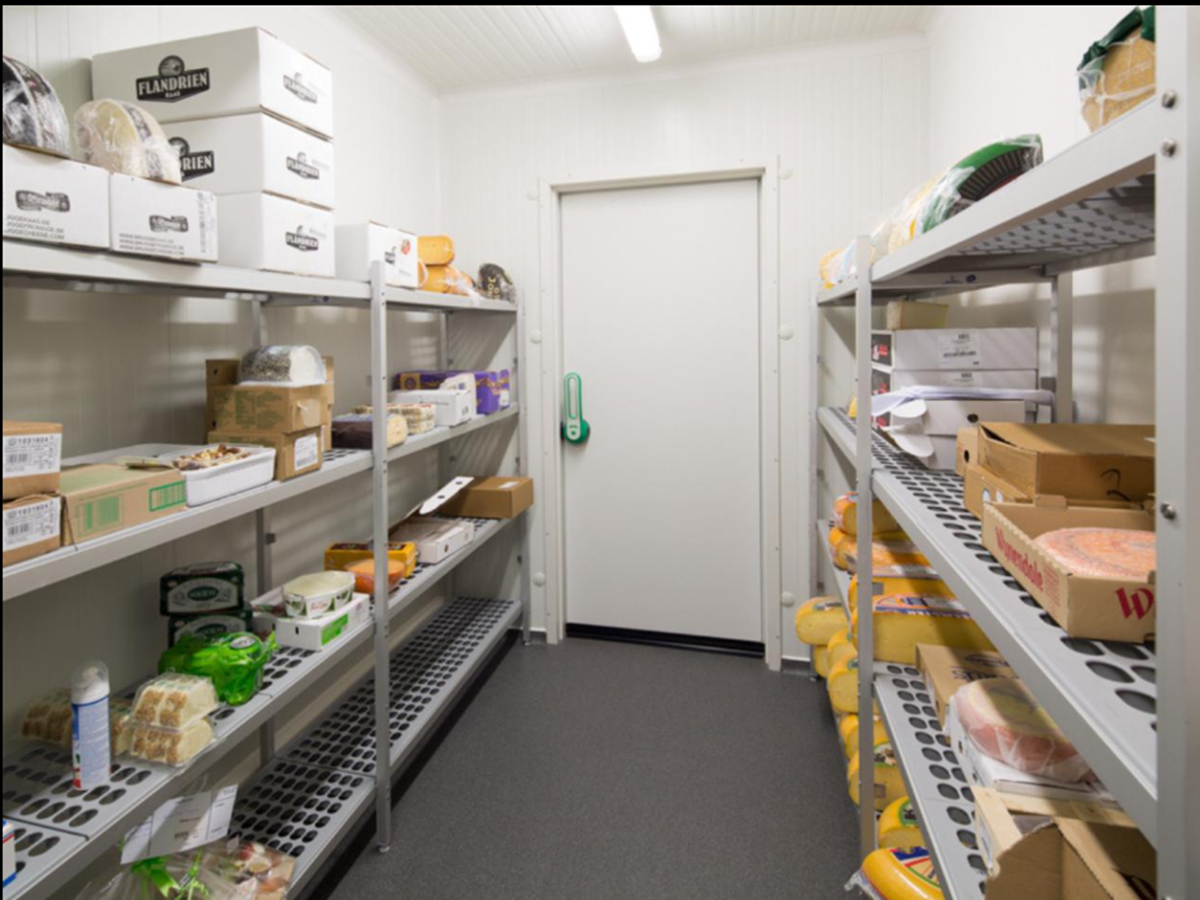
Best Cold Room Designs for Hotels, Restaurants & Supermarkets
Types of Cold Rooms in Nairobi- Kenya.
Keeping food fresh is one of the biggest challenges for hotels, restaurants & supermarkets. A good cold room can make a big difference. It works like a big refrigerator but is more powerful and efficient for commercial use. Cold Room Designs for Hotels, Restaurants & Supermarkets
Cold rooms are used to keep meat, seafood, dairy, fruits and vegetables fresh for longer periods. It helps store large amounts of food safely, saves space, and reduces waste. You can walk inside them, organize products on shelves, and adjust the temperature as needed.
1. Hotels
- Recommended Volume: 15–25 cubic meters depending on banquet size and guest capacity.
- Design Layout: Incorporate multi-chamber cold rooms. Hotels require separate, independently temperature-controlled zones for:
- Produce Chiller (0°C to 5°C): For fresh vegetables, dairy, and beverages.
- Meat & Seafood Freezer (-18°C and below): Dedicated sections.
- Key Feature: Stainless steel hanging rails and easily cleanable hygienic walls that pass strict health and safety audits.
2. Restaurants
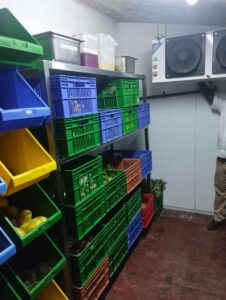
- Recommended Volume: 8–15 cubic meters for mid-sized operations; up to 25 \(m^{3}\) for large catering.
- Design Layout: Install swing doors or PVC strip curtains near the prep areas to reduce temperature loss during frequent access.
- Key Feature: Modular, expandable wall panels and adjustable plastic or stainless steel shelving that perfectly aligns with daily kitchen workflow to minimize staff movement.
3. Supermarkets
- Recommended Volume: 30–60+ cubic meters with massive, bulk-storage capacities.
- Design Layout: Split into distinct back-of-house storage and front-of-house display rooms.
- Key Feature: High-traffic display reach-in doors for customers, paired with heavy-duty refrigeration systems built to withstand hundreds of door openings per day without fluctuating temperatures
Supermarket Chiller
Best Practices & Features Across All Sectors
- Insulation & Panels: Use 75mm to 100mm thick PU (Polyurethane) panels for optimal temperature retention.
- Refrigeration Units: Choose multi-compressor systems or advanced, energy-efficient inverter compressors (e.g., Copeland or Bitzer brands) to handle heavy commercial loads.
- Access & Hygiene: Include interior floor drains to enable high-pressure washdowns and self-closing, heavy-duty door hinges.
Recent Comments